Sick Child Care: Essential Tips for Parents

Caring for a sick child can feel overwhelming, especially if it’s your first time navigating fevers, coughs, or stomach aches. This guide walks you through the basics—recognizing symptoms, providing comfort, and knowing when professional help is needed—so you can feel confident and prepared.
Recognizing Common Childhood Illnesses
Understanding the most frequent ailments helps you act quickly and appropriately.
- Colds & Flu – Runny nose, sneezing, sore throat, mild fever.
- Gastroenteritis (Stomach Flu) – Diarrhea, vomiting, abdominal cramps.
- Ear Infections – Ear pain, tugging at the ear, irritability.
- Bronchitis / Pneumonia – Persistent cough, chest discomfort, higher fever.
- Skin Rashes – Red, itchy patches; may accompany allergies or viral infections.
Tip: Keep a symptom‑tracking notebook or a simple phone note to log temperature, appetite, sleep, and any new signs. This record is valuable for both you and your pediatrician.
Immediate Care Steps When Your Child Gets Sick
- Stay Calm – Children pick up on parental anxiety. A calm demeanor helps them feel safe.
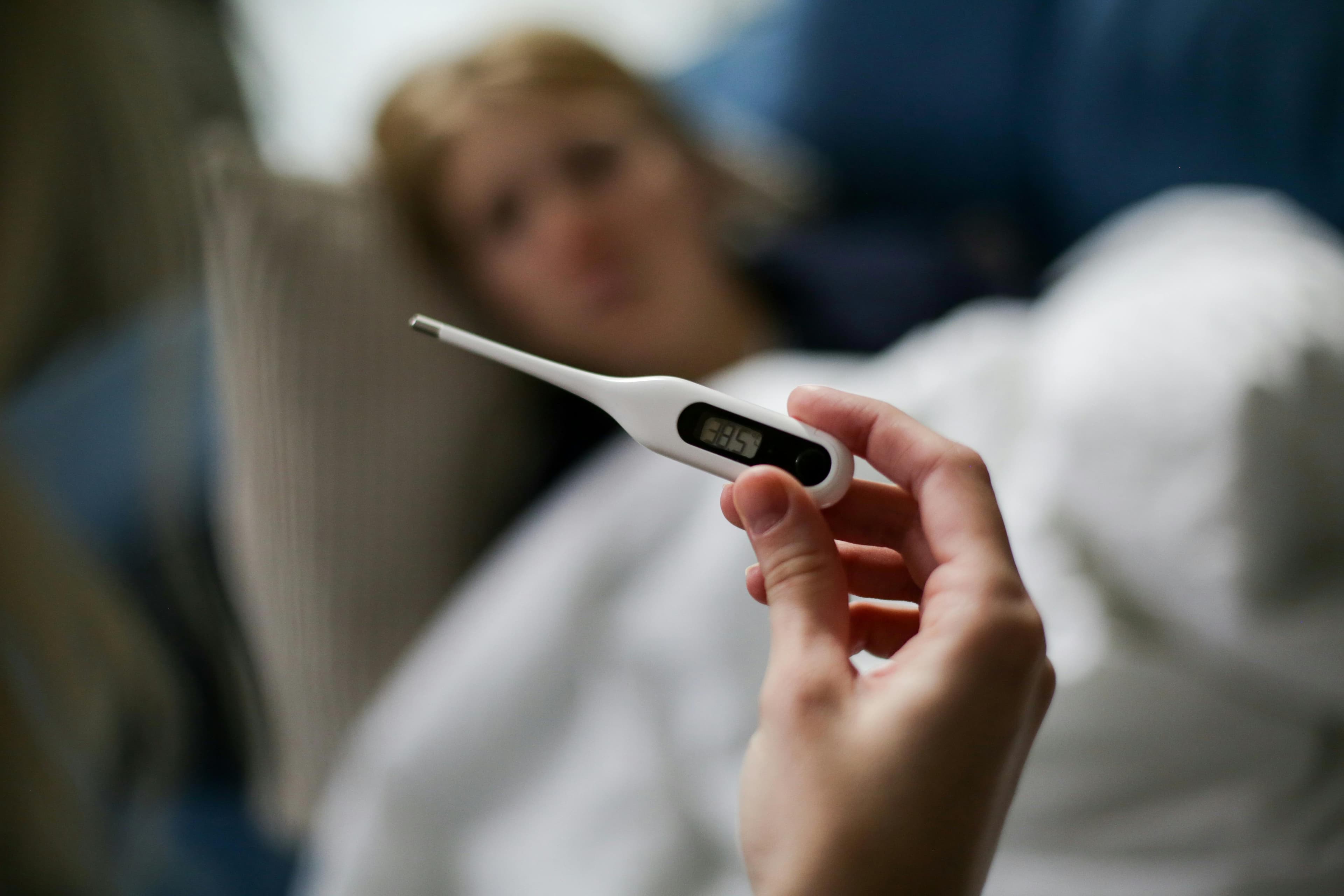
- Check Temperature – Use a digital thermometer. A fever over 100.4°F (38°C) in infants under 3 months warrants a call to a doctor.
- Hydration First – Offer small, frequent sips of water, oral rehydration solutions, or breast milk.
- Rest Environment – Dim the lights, lower noise, and provide a comfortable place to rest.
- Medication Guidance – Use age‑appropriate acetaminophen or ibuprofen only as directed. Always read the dosage label.
Managing Symptoms at Home
Fever
- Dress your child in lightweight clothing.
- Use a lukewarm sponge bath if the fever feels uncomfortable.
Cough & Congestion
- A humidifier or a steamy bathroom can loosen mucus.
- Saline nasal drops (for infants) help clear nasal passages.
Stomach Issues
- Follow the BRAT diet (Bananas, Rice, Applesauce, Toast) after vomiting stops.
- Avoid sugary drinks and dairy until the stomach settles.
Skin Irritations
- Apply fragrance‑free moisturizers.
- Cool compresses can soothe itchy rashes.
When to Seek Professional Medical Help
| Symptom | Why It Matters |
|---|---|
| Fever > 104°F (40°C) | Risk of febrile seizures |
| Persistent vomiting > 24 hrs | Dehydration risk |
| Breathing difficulty or wheezing | Possible airway obstruction |
| Lethargy or unresponsiveness | Serious underlying condition |
| Rash with fever or swelling | Could indicate allergic reaction |
If any of these appear, contact your pediatrician or go to urgent care immediately.
Supporting Your Child Emotionally During Illness
- Validate Feelings: "I know you’re uncomfortable, and it’s okay to feel upset."
- Stay Engaged: Read a favorite book, play soft music, or use a tablet for gentle entertainment.
- Maintain Routine: Keep regular meal and bedtime times as much as possible.
- Encourage Gentle Activity: Light stretching or short walks (if they feel up to it) can boost mood.
Building a Sick‑Day Toolkit
| Item | Purpose |
|---|---|
| Digital thermometer | Accurate fever monitoring |
| Oral rehydration packets | Prevent dehydration |
| Infant/children’s acetaminophen & ibuprofen | Safe fever/pain relief |
| Saline nasal spray | Clear congestion |
| Humidifier | Ease cough & dry throat |
| Soft blankets & plush toys | Comfort & security |
| Downloadable symptom tracker (PDF) | Easy logging for parents |
Having these items on hand reduces stress and speeds up care.
Conclusion
Caring for a sick child is a blend of practical steps, attentive observation, and emotional support. By recognizing symptoms early, providing gentle home care, and knowing the red‑flag signs that require professional attention, you empower both yourself and your child to navigate illness with confidence.
References
- American Academy of Pediatrics (AAP). When to Call the Pediatrician. HealthyChildren.org.
- Centers for Disease Control and Prevention (CDC). Children and Common Illnesses. CDC.gov.
- Mayo Clinic Staff. Children's health: Care for sick children. Mayo Clinic.