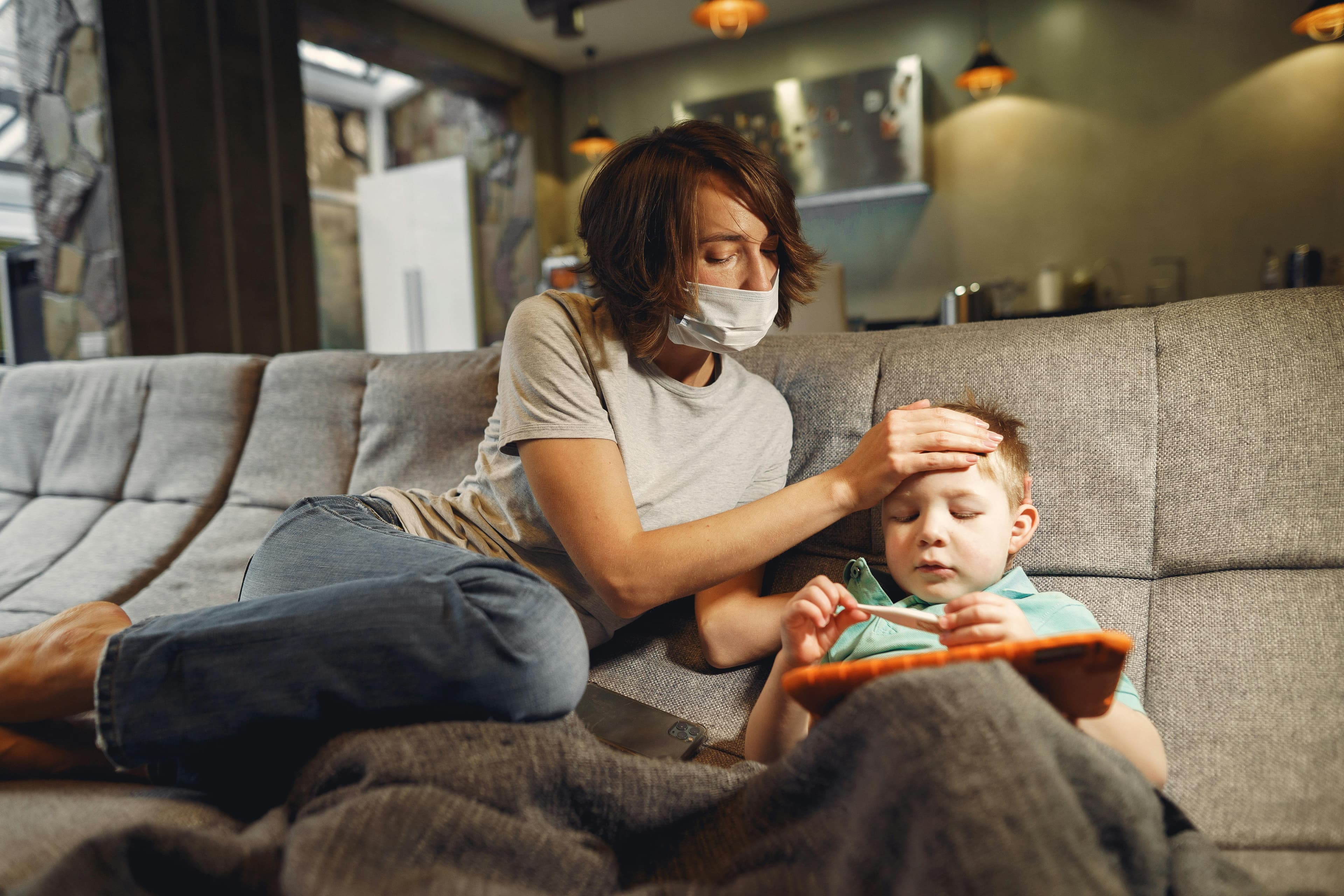
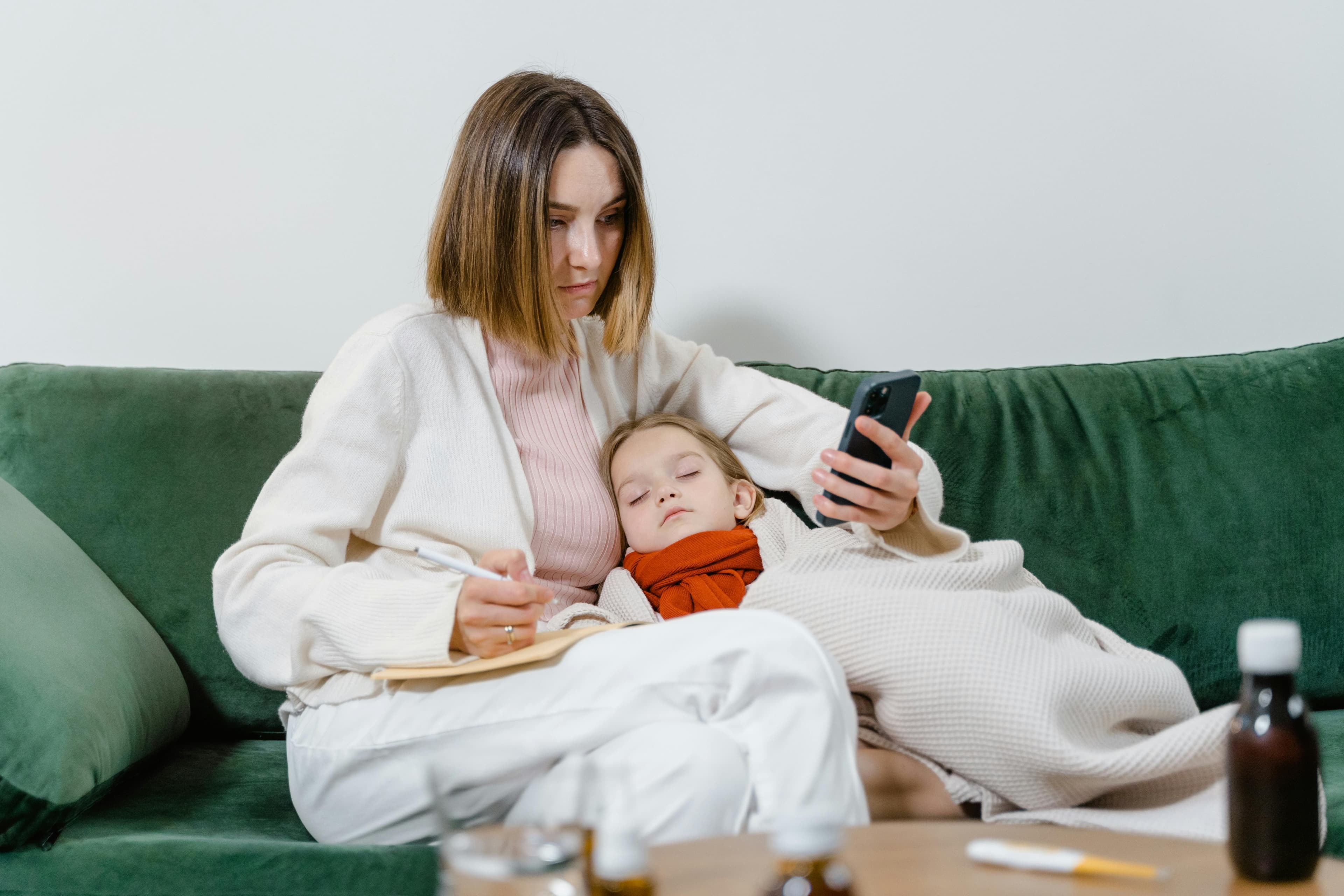
Understanding Fever in Children: Causes, Symptoms, and When to Seek Help
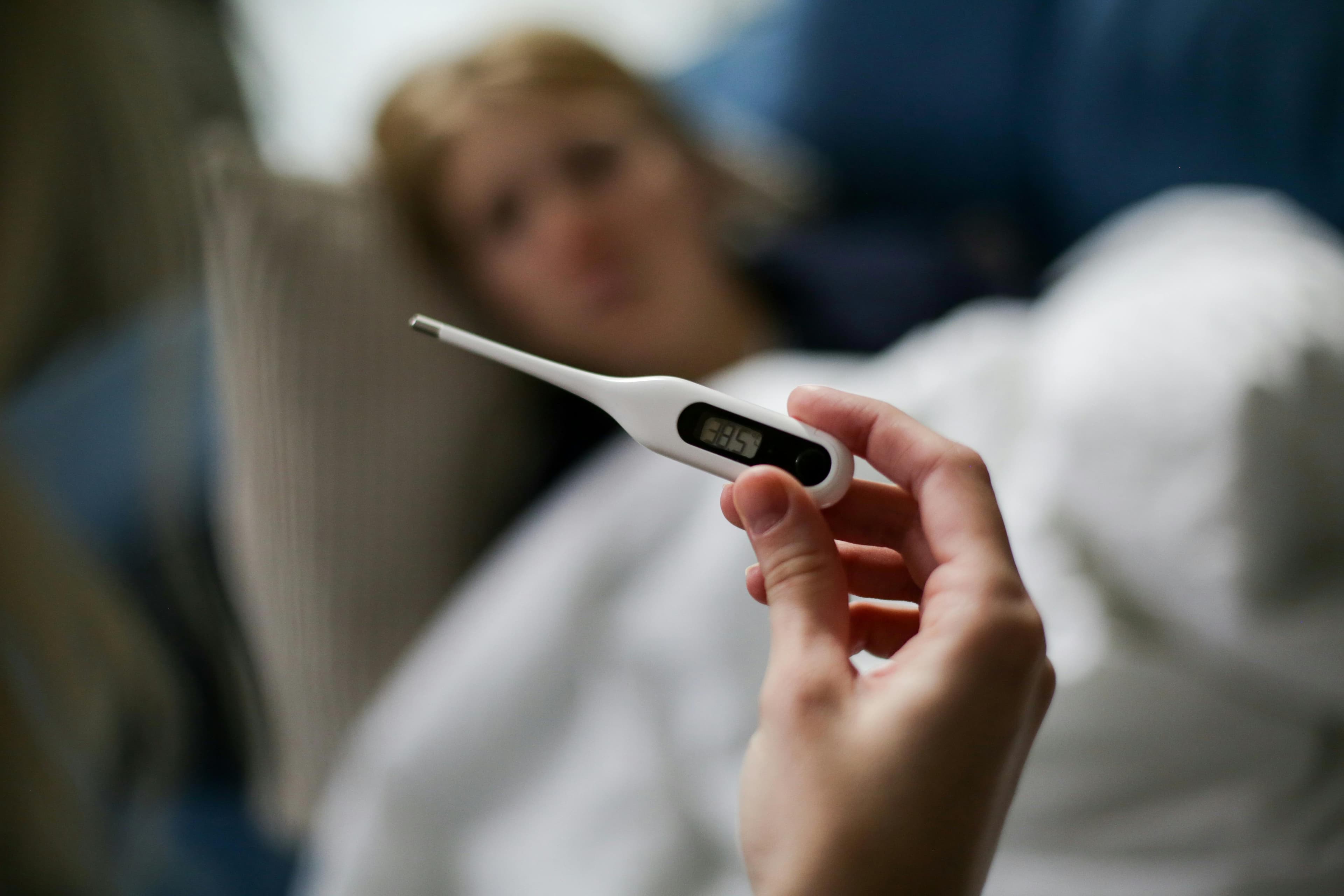
Fever is one of the most common reasons parents bring their child to the doctor. Knowing what a fever means, how to spot it, and when it requires professional care can reduce anxiety and help you respond confidently.
What Is a Fever?
A fever is an elevation in body temperature above the normal range. For most children, a temperature above 100.4°F (38°C) measured with a reliable thermometer is considered a fever. It is a natural response of the immune system, signaling that the body is fighting an infection or other stressor.
Common Causes of Fever in Children
| Cause | Typical Age Group | How It Triggers Fever |
|---|---|---|
| Viral infections (e.g., colds, flu) | All ages | Immune response to viral replication |
| Bacterial infections (e.g., ear infection, strep throat) | 6 months‑12 years | Release of pyrogens that reset the body’s thermostat |
| Immunizations | Infants & toddlers | Mild, short‑lived fever as the immune system builds protection |
| Over‑dressing or overheating | Any age | External heat raises skin temperature, not always a true fever |
| Inflammatory conditions (e.g., juvenile arthritis) | Older children | Inflammation releases fever‑inducing chemicals |
How to Recognize a Fever: Signs & Symptoms
- Temperature reading – Use a digital thermometer under the arm, ear, or rectally for infants.
- Flushed skin – Warm, pink cheeks or a reddened torso.
- Sweating or chills – Alternating feelings of hot and cold.
- Increased heart rate – Faster pulse than usual.
- Behavior changes – Irritability, lethargy, or reduced appetite.
- Accompanying symptoms – Cough, runny nose, vomiting, rash, or pain.
When a Fever Is Normal vs. When It’s Concerning
| Situation | Typical Temperature | Action |
|---|---|---|
| Mild fever in a well‑behaving child | 100.4°F‑102°F (38‑38.9°C) | Offer fluids, light clothing, and monitor |
| Fever with dehydration signs (dry mouth, no tears) | Any temperature | Contact a pediatrician promptly |
| Fever lasting > 48‑72 hours | Any temperature | Seek medical evaluation |
| Fever above 104°F (40°C) | >104°F (40°C) | Call emergency services or go to urgent care |
| Fever in infants < 3 months | >100.4°F (38°C) | Call a healthcare provider immediately |
Home Care Tips for Managing a Mild Fever
- Hydration: Offer water, breast‑milk, or electrolyte solutions every 1‑2 hours.
- Light clothing: Dress in breathable fabrics; avoid heavy blankets.
- Comfortable environment: Keep the room at a moderate temperature (68‑72°F / 20‑22°C).
- Fever‑reducing medication: Acetaminophen (Tylenol) or ibuprofen (Advil) can be used according to the child’s weight and age. Never give aspirin to children.
- Rest: Encourage quiet play or nap time; rest helps the immune system.
Red Flags: When to Call a Healthcare Provider
- Age under 3 months with any fever.
- Fever above 104°F (40°C) or a rapid rise.
- Persistent fever longer than 3 days.
- Signs of dehydration (no tears, dry mouth, sunken eyes).
- Severe headache, stiff neck, or rash that spreads quickly.
- Difficulty breathing, persistent vomiting, or diarrhea.
- Child appears extremely lethargic or unresponsive.
Frequently Asked Questions
Q: Can I give my child a cold bath to lower the fever? A: A lukewarm (not cold) sponge bath can provide comfort, but avoid shocking the body with very cold water.
Q: Should I keep my child home from school? A: Yes, keep them home while the fever is above 100.4°F and until they are fever‑free for at least 24 hours without medication.
Q: Are there any foods that help reduce fever? A: Focus on fluids and easy‑to‑digest foods like broth, applesauce, or bananas. No specific food “cures” a fever.
Next Steps & Resources
Understanding fever empowers you to act calmly and appropriately. For more detailed guidance on child health, consider:
- Downloading our free "Parent’s Guide to Managing Childhood Fevers" (link to guide).
- Signing up for our monthly newsletter for evidence‑based tips on keeping your kids healthy.
- Exploring related articles: [How to Tell If a Fever Is Serious], [When to Use Fever‑Reducing Medications].
Remember: A fever is often a sign that the body is doing its job. Monitoring, comfort measures, and knowing the red‑flag symptoms are the best tools you have.
If you have any concerns that aren't covered here, don't hesitate to reach out to your pediatrician. Early consultation can provide peace of mind and ensure the best care for your child.
References
- American Academy of Pediatrics (AAP). Fever and Your Baby. HealthyChildren.org.
- Mayo Clinic Staff. Fever: First aid. Mayo Clinic.
- Centers for Disease Control and Prevention (CDC). Flu Symptoms & Complications. CDC.gov.